
Off-Grid Solar System: Powering Energy Independence
As the world shifts towards renewable energy, solar power has emerged as a front-runner in sustainable solutions. While grid-connected systems are common in urban settings, off-grid solar systems are the go-to choice in areas where electricity access is limited or unreliable. These systems offer complete energy independence and are becoming increasingly viable with advances in battery technology.
What is an Off-Grid Solar System?
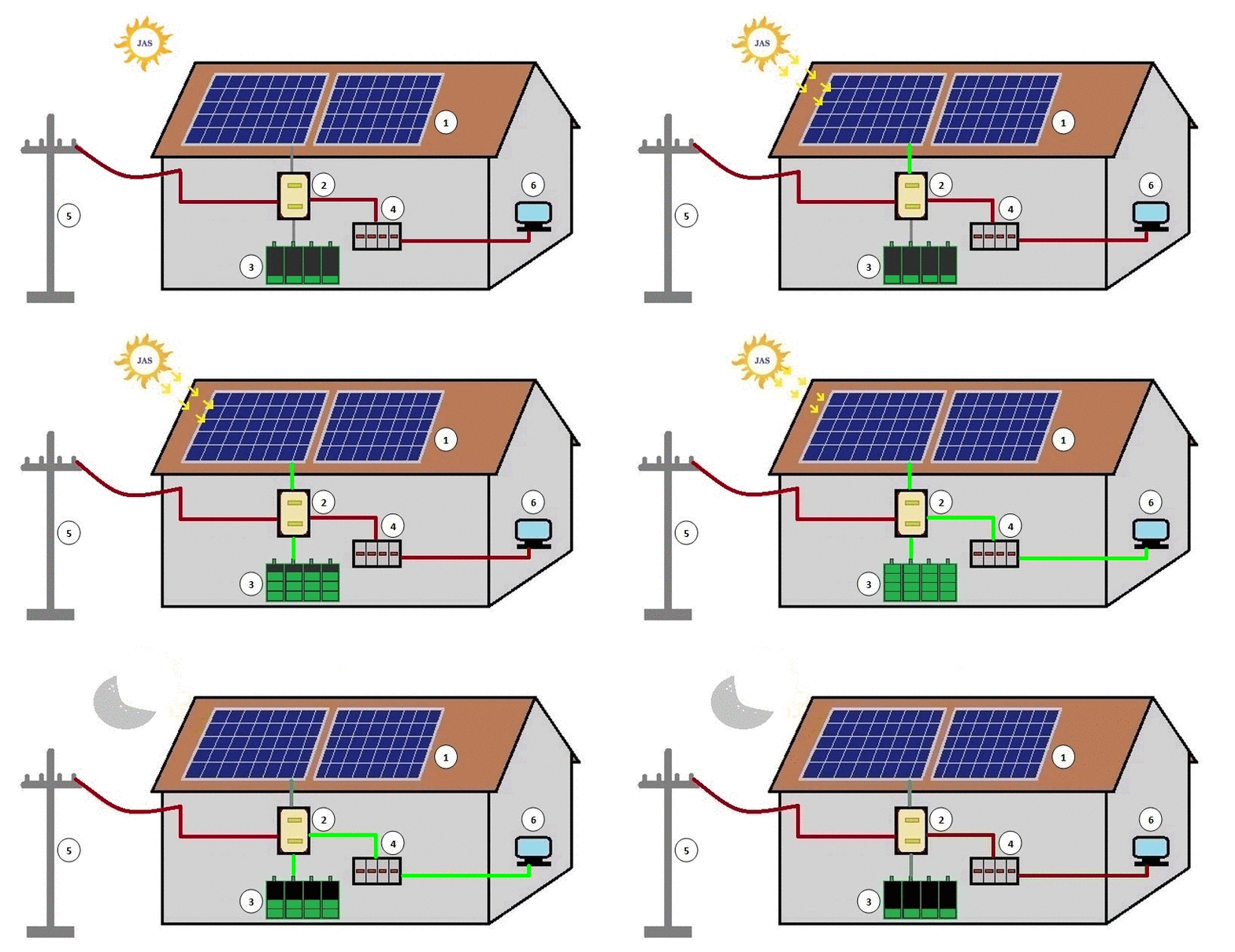
An off-grid solar system, also known as a standalone solar system, is a solar power setup that is completely independent of the utility grid. It generates electricity using solar panels and stores it in batteries for use during nighttime or cloudy days. This system is ideal for remote areas or places with frequent power outages.
Main Components:
-
Solar Panels: Capture sunlight and convert it into DC electricity.
-
Charge Controller: Regulates the voltage and current going into the batteries from the solar panels to prevent overcharging.
-
Battery Bank: Stores the electricity for use when solar power is not available.
-
Off-Grid Inverter: Converts stored DC electricity into AC power to run appliances.
-
Backup Generator (Optional): Provides additional power during long periods of low solar production.
How Does It Work?
-
Solar panels collect sunlight and generate electricity during the day.
-
The charge controller manages the flow of energy to the batteries.
-
Energy is stored in the battery bank for later use.
-
The inverter supplies power from the batteries to household appliances.
-
If battery power is insufficient, a diesel or petrol generator (if installed) can provide backup energy.
Advantages of Off-Grid Solar Systems
✅ Energy Independence
No reliance on the power grid—perfect for remote or rural locations.
✅ Reliable Power Supply
Ideal for areas with frequent power outages or no grid access at all.
✅ Customizable Design
System size and storage capacity can be tailored based on user needs and consumption.
✅ Eco-Friendly
Reduces dependency on fossil fuels, lowering carbon emissions.
Disadvantages of Off-Grid Systems
-
⚠️ Higher Initial Cost: Batteries and backup generators increase the upfront investment.
-
⚠️ Energy Limitations: Power supply depends on solar availability and battery storage capacity.
-
⚠️ Maintenance Requirement: Batteries require regular maintenance and replacement every 5–10 years.
-
⚠️ No Net Metering Benefits: Since it’s not connected to the grid, you can’t sell excess electricity back to the utility.
Ideal Applications
-
Remote homes and cottages
-
Farmhouses and agricultural sites
-
Military and emergency camps
-
Islands and rural clinics
-
Disaster relief and mobile units
Off-grid systems are particularly useful in areas where grid extension is economically unfeasible or technically difficult.
Conclusion
An off-grid solar system is a powerful solution for achieving energy independence, especially in locations beyond the reach of traditional electricity grids. While the investment is higher than grid-tied systems, the long-term benefits—especially in remote or unstable power regions—are invaluable.
As solar panels and battery technologies continue to advance, off-grid systems are becoming more affordable, efficient, and accessible, helping communities around the world light up their lives sustainably.