
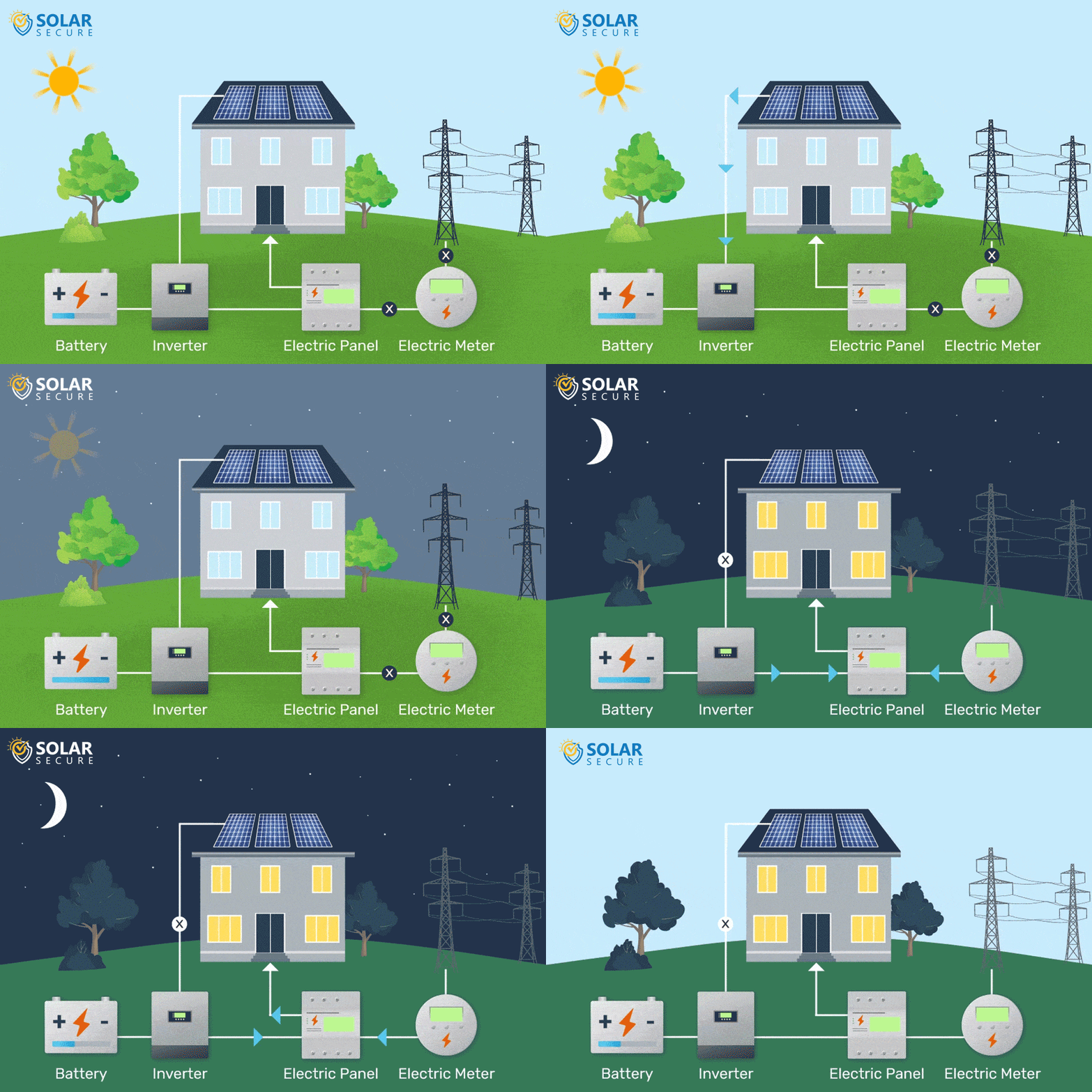
Solar Inverter: The Heart of Every Solar Power System
As the world continues its transition toward cleaner and more sustainable energy, solar power systems have become increasingly popular in homes, businesses, and industries. A crucial yet often overlooked component of any solar setup is the solar inverter—a device that plays a vital role in ensuring the electricity generated by your solar panels can actually be used.
Let’s explore what a solar inverter is, how it works, the different types, and why it’s considered the heart of a solar power system.
What is a Solar Inverter?
A solar inverter is an electrical device that converts direct current (DC) electricity generated by solar panels into alternating current (AC) electricity, which is the standard form of electricity used by household appliances, office equipment, and the electrical grid.
Without a solar inverter, the power generated by the solar panels would be unusable for most applications.
Why is a Solar Inverter Important?
-
DC to AC Conversion:
Converts solar energy into usable electricity for homes and businesses. -
Power Optimization:
Some inverters optimize the output from solar panels, maximizing energy production even under shade or partial sunlight. -
Monitoring and Control:
Modern inverters offer monitoring capabilities, letting users track power generation, efficiency, and system health via apps or web portals. -
Grid Interaction:
In on-grid systems, inverters synchronize the power output with the utility grid, ensuring safe energy export and import. -
Safety:
Inverters can detect faults and shut down the system to prevent damage or hazards.
Types of Solar Inverters
1. String Inverters
-
One inverter is connected to a series (or “string”) of solar panels.
-
Common in residential and small commercial installations.
-
Cost-effective but performance can drop if one panel is shaded.
2. Microinverters
-
Each panel has its own small inverter.
-
Maximizes energy harvest, especially in shaded or complex roof areas.
-
More expensive but offers panel-level monitoring and flexibility.
3. Power Optimizer + Central Inverter (Hybrid)
-
Power optimizers on each panel work with a central inverter.
-
Combines the benefits of string inverters and microinverters.
4. Off-Grid Inverters
-
Used in systems that are not connected to the grid.
-
Includes battery charging and management functions.
5. Hybrid Inverters
-
Work with both the grid and battery storage.
-
Ideal for systems with backup power or time-of-use energy pricing.
Key Features to Look For in a Solar Inverter
-
Efficiency Rating: Indicates how well the inverter converts DC to AC (typically 95–98%).
-
Warranty: Ranges from 5 to 15 years; longer warranties often reflect better build quality.
-
Monitoring Capabilities: Allows remote tracking of performance and diagnostics.
-
Scalability: Important for systems that might expand in the future.
-
Certifications & Safety: Compliance with local grid codes and safety standards.
Applications of Solar Inverters
-
Residential solar systems (on-grid or off-grid)
-
Commercial buildings and offices
-
Industrial solar farms
-
Rural electrification and microgrids
-
Backup power systems with solar battery integration
Conclusion
A solar inverter is more than just a converter—it’s the intelligent brain of your solar system, managing power flow, optimizing energy output, and ensuring safety and reliability. Choosing the right inverter is essential for maximizing your solar investment, whether for a small home setup or a large-scale commercial project.
As solar technology evolves, inverters are becoming smarter, more efficient, and increasingly integral to the future of energy management.