
Hybrid Solar System: The Smart Way to Use Solar Power
As solar energy continues to revolutionize how we power our homes and businesses, different solar system configurations are emerging to suit various needs. Among these, the hybrid solar system stands out as a versatile, efficient, and increasingly popular choice. Combining the benefits of both on-grid and off-grid systems, a hybrid system offers flexibility, energy independence, and backup power—making it ideal for modern energy demands.
What is a Hybrid Solar System?
A hybrid solar system is a type of solar energy setup that is connected to the utility grid but also includes a battery backup. It allows you to:
-
Use solar power during the day.
-
Store excess energy in batteries for later use.
-
Draw electricity from the grid when needed.
-
Supply power during outages (unlike standard on-grid systems).
It is essentially a smart energy system that manages multiple power sources to ensure uninterrupted electricity supply and maximum savings.
Main Components of a Hybrid System
-
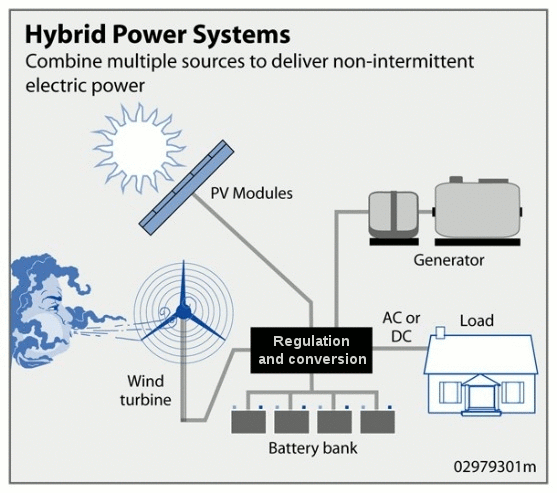
Solar Panels: Generate DC electricity from sunlight.
-
Hybrid Inverter: Converts DC to AC and manages energy flow between solar panels, batteries, home, and grid.
-
Battery Bank: Stores excess energy for night-time use or during power cuts.
-
Grid Connection: Allows import/export of power from/to the utility grid.
-
Monitoring System: Provides real-time data on energy generation, consumption, and storage.
How a Hybrid Solar System Works
-
Daytime: Solar panels power the load, and any extra energy charges the batteries.
-
Evening/Night: Stored energy from batteries is used when solar generation stops.
-
Low Battery or High Load: The system draws power from the grid if battery storage is depleted.
-
Excess Generation: If the batteries are full and load is low, extra energy can be sent to the grid (if net metering is enabled).
-
Power Outage: Unlike regular on-grid systems, hybrid systems can supply backup power using the batteries.
Advantages of a Hybrid Solar System
✅ Uninterrupted Power Supply
Offers backup power during blackouts, which is not possible with a standard on-grid system.
✅ Smart Energy Management
Automatically switches between solar, battery, and grid for optimal energy use.
✅ Reduced Electricity Bills
Cuts down on grid consumption and allows usage of stored solar energy during peak tariff hours.
✅ Net Metering Benefits
You can still export excess power to the grid and earn credits if supported by your local utility.
✅ Energy Independence
Decreases dependence on the grid and improves energy security.
Limitations of a Hybrid Solar System
-
⚠️ Higher Initial Cost: Batteries and smart inverters increase upfront investment.
-
⚠️ Battery Maintenance: Though lithium-ion batteries are low-maintenance, they have a limited lifespan and require replacement every 8–15 years.
-
⚠️ Complex Installation: Requires professional design and setup for optimal performance.
Ideal Applications
-
Homes and businesses in areas with unstable grid supply
-
Locations that want backup power without going fully off-grid
-
Places with high electricity tariffs
-
Smart homes with energy automation systems
Cost Consideration
Hybrid systems are more expensive than on-grid systems but cheaper than fully off-grid setups. The investment is justified by:
-
Reliable backup during outages
-
Long-term electricity bill savings
-
Energy security and independence
Conclusion
A hybrid solar system is the perfect balance between reliability, flexibility, and sustainability. It combines the best of both on-grid and off-grid systems, giving users control over their energy production, storage, and usage. As battery technology improves and solar adoption grows, hybrid systems are becoming the go-to solution for homes and businesses seeking energy independence without compromise.